
Upgrading Safety at Scale: Inside McMaster University’s Campus‑Wide Fire Alarm Modernization
How Procon helped future‑proof emergency communication across a 300‑acre campus
CONTRACTING
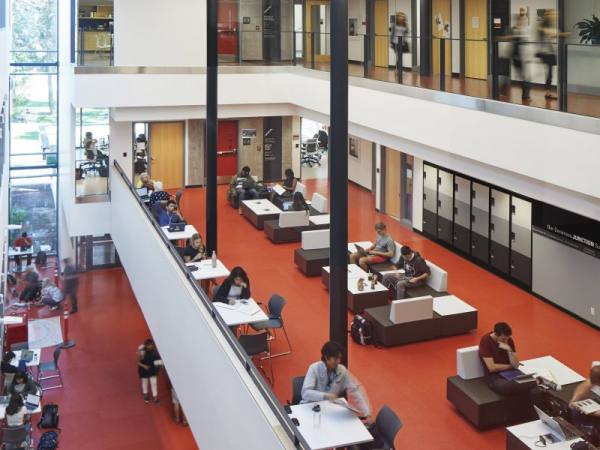
How Procon helped future‑proof emergency communication across a 300‑acre campus
When a university campus grows as quickly and consistently as McMaster University’s 300‑acre Hamilton campus, the infrastructure behind the scenes needs to evolve just as rapidly. Academic buildings, research facilities, residences, and student hubs all rely on systems that most people never see—but depend on every day. Among the most critical of these is the fire alarm and emergency communication network.
In 2021, McMaster University undertook a major modernization initiative: a campus‑wide fire alarm communication upgrade spanning more than 50 buildings. The goal was simple but ambitious—enhance safety, improve system reliability, and create a unified, future‑ready emergency communication backbone. To bring this vision to life, the university partnered with Procon Constructors, a leader in multi‑trade contracting across the industrial, commercial, and institutional sectors.
This project wasn’t just about replacing devices or updating panels. It was about building a resilient, interconnected system capable of supporting the university’s long‑term growth. Here’s a closer look at how Procon approached this complex, multi‑phase upgrade—and why it matters for the campus community
A Growing Campus with Growing Safety Needs
McMaster University’s Hamilton campus has expanded steadily over the years, adding new research centres, student facilities, and academic buildings. With this growth comes increased responsibility: ensuring that every building—old or new—meets modern safety standards and communicates seamlessly with the rest of the campus.
Fire alarm systems are often installed building by building, especially on campuses with decades of development. Over time, this can lead to a patchwork of technologies, wiring methods, and communication protocols. While each building may function independently, the lack of a unified system can create challenges during emergencies, maintenance, or future upgrades.
McMaster recognized the need for a centralized, reliable, and scalable fire alarm communication network—one that could support the campus today and adapt to its needs tomorrow.
The Scope: A Campus‑Wide Fire Alarm Communication System
The project involved upgrading fire alarm systems across more than 50 buildings and complexes. This included:
Installing a new fibre‑optic communication backbone
Upgrading fire alarm control panels
Replacing and modernizing fire alarm devices
Integrating new and existing systems into a unified network
Maintaining full campus operations throughout the transition
Each of these tasks required careful planning, precise execution, and a deep understanding of both legacy infrastructure and modern safety technologies.
Building the Backbone: Fibre Optic Installation
At the heart of the upgrade was the installation of a fibre‑optic backbone—a major step forward in reliability, speed, and communication clarity.
Procon’s work included:
Running fibre through existing underground duct banks
Installing new duct banks where needed
Integrating fibre into campus tunnels and communication pathways
Fibre optic networks offer several advantages over older copper‑based systems:
Higher bandwidth for faster communication
Greater resistance to interference
Longer transmission distances
Improved reliability during emergencies
For a campus the size of McMaster, these benefits translate into faster system responses, clearer communication between buildings, and a more resilient emergency network.
Upgrading Fire Alarm Panels and Devices
Once the backbone was in place, Procon moved into the buildings themselves. This phase involved:
Replacing outdated fire alarm control panels
Installing new devices such as pull stations, smoke detectors, and notification appliances
Ensuring compatibility between new equipment and existing infrastructure
Testing and commissioning each system
Because every building on campus has its own architectural and operational quirks, this work required a tailored approach. Some buildings needed full panel replacements; others required device upgrades or integration with newer communication modules.
The challenge wasn’t just technical—it was logistical. With thousands of students, faculty, and staff on campus daily, Procon had to complete the work with minimal disruption.
Keeping the Campus Running: A Staged Transition
One of the most impressive aspects of the project was the requirement to keep all existing fire alarm systems fully operational throughout the upgrade. Safety couldn’t be compromised—not even for a moment.
To achieve this, Procon implemented a staged transition strategy, which included:
Coordinating work around academic schedules
Sequencing upgrades building by building
Running temporary communication pathways where needed
Conducting after‑hours work in sensitive areas
Maintaining constant communication with campus operations teams
This approach ensured that the campus remained protected at all times, even as major components of the system were being replaced.
Why This Upgrade Matters
A modern fire alarm communication system isn’t just a technical upgrade—it’s a long‑term investment in campus safety and resilience. Here’s what McMaster gains from this project:
Improved Emergency Response
With a unified communication network, alerts travel faster and more reliably between buildings and central monitoring stations.
Enhanced System Reliability
Fibre optic networks are less prone to failure, interference, and environmental degradation.
Future‑Ready Infrastructure
The new backbone can support additional buildings, new technologies, and evolving safety standards.
Simplified Maintenance
A standardized system reduces complexity, making it easier to maintain, troubleshoot, and expand.
Better Integration Across Campus
From research labs to residences, every building now communicates through a consistent, modern platform.
Procon’s Role: Multi‑Trade Expertise in Action
Procon’s involvement in this project highlights the company’s strengths:
Electrical expertise for panel and device upgrades
Infrastructure installation for underground and tunnel‑based fibre runs
Project management to coordinate work across dozens of buildings
Institutional experience working in active, high‑traffic environments
As a leading multi‑trade contractor serving the industrial, commercial, and institutional sectors, Procon brought the technical depth and operational discipline needed for a project of this scale.
A Safer, Smarter Campus for the Future
McMaster University’s fire alarm upgrade is more than a behind‑the‑scenes improvement—it’s a foundational enhancement that supports the safety of everyone who studies, works, or visits the campus. By investing in a modern, interconnected system, the university has strengthened its ability to respond to emergencies and support future growth.
For Procon, the project stands as a strong example of the company’s ability to deliver complex, multi‑phase upgrades in active institutional environments. It reflects a commitment to safety, precision, and long‑term value—qualities that continue to define Procon’s work across the ICI sector.


© 2026 Procon Constructors Inc. All rights reserved. Privacy Policy | Terms & Conditions



Our Panels
Network Panels
PLC Panels
Pump Control Panels
Solar Panels
Local Control Panels
Procon Constructors Inc., a multi-trade contractor specializing in electrical, mechanical, and SCADA systems.