Turning Waste Into Power: Inside GM’s Landfill Gas‑to‑Energy Cogeneration Facility
How Procon helped GM convert landfill methane into reliable renewable energy through a high‑efficiency cogeneration system
CUSTOM
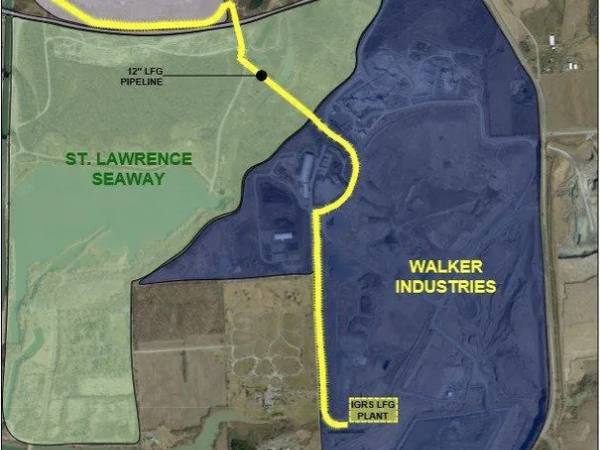
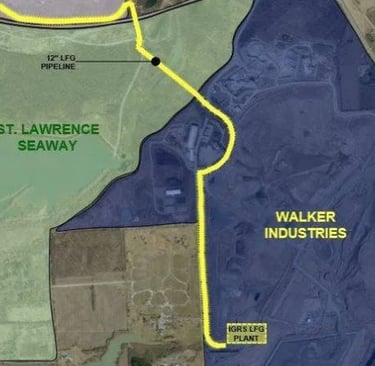
As industries look for smarter, cleaner, and more cost‑effective ways to power their operations, landfill gas‑to‑energy systems have emerged as one of the most practical and impactful solutions. General Motors’ St. Catharines facility is a standout example—transforming waste methane from a nearby landfill into a reliable source of renewable energy. Procon Constructors played a central role in bringing this ambitious project to life, delivering the electrical, mechanical, and SCADA expertise needed to make the system safe, efficient, and future‑ready.
This project wasn’t just about installing equipment. It was about helping a major manufacturer reduce its environmental footprint, stabilize energy costs, and demonstrate what’s possible when industry and sustainability work hand in hand.
A Strategic Move Toward Cleaner, Cheaper Energy
General Motors set out with two clear goals:
Reduce energy costs
Significantly cut greenhouse gas emissions
The solution—a cogeneration facility powered by renewable landfill gas from the nearby Walker Landfill—delivers on both fronts. The system now provides approximately 35% of the plant’s electricity needs while reducing greenhouse gas emissions by 70%. For a large industrial operation, those numbers represent a major shift in both environmental impact and long‑term operational efficiency.
Landfill gas, primarily methane, is a natural byproduct of decomposing waste. Instead of allowing it to escape into the atmosphere, capturing and converting it into energy turns a harmful emission into a valuable resource.
Four Generators, One Powerful System
At the heart of the project are four 1.6‑megawatt generators, each fueled by renewable landfill gas. Together, they form a robust cogeneration system capable of producing consistent, reliable power for the GM plant.
Procon’s team delivered the full mechanical and electrical scope, including:
Process mechanical piping
High‑voltage electrical services (5kV–34.5kV)
High‑voltage transformer installation
SCADA programming and instrumentation
Fire alarm system installation and verification
Commissioning support
This combination of trades and technical disciplines is where Procon excels—coordinating complex systems so they operate seamlessly as one.
The Role of SCADA: Smart Control for a Smart System
A project of this scale requires more than hardware. It needs intelligent oversight.
Procon handled the SCADA programming and instrumentation, giving GM operators real‑time visibility into system performance, including:
Gas flow and pressure
Generator output
Electrical distribution
Safety system status
Automated alarms and shutdowns
With SCADA integration, the facility can optimize performance, respond quickly to changes, and maintain the highest safety standards.
Safety and Reliability Built In
Any energy system—especially one involving combustible gas—demands rigorous safety measures. Procon supplied, installed, and verified the fire alarm system, ensuring the facility met all safety requirements and could respond immediately in the event of an emergency.
Commissioning was another critical step. Procon provided the personnel needed to test, validate, and fine‑tune the system, ensuring every component worked as intended before going live.
A Model for Industrial Sustainability
GM’s landfill gas‑to‑energy project is more than an engineering achievement—it’s a blueprint for how industrial facilities can reduce emissions and energy costs without compromising performance. By turning waste gas into a renewable power source, the St. Catharines plant demonstrates what’s possible when innovation and sustainability align.
For Procon, the project highlights the company’s strength in delivering complex, multi‑trade solutions across the industrial, commercial, and institutional sectors. From high‑voltage electrical work to SCADA integration and commissioning, Procon helped transform a forward‑thinking idea into a fully operational, environmentally responsible energy system.
© 2026 Procon Constructors Inc. All rights reserved. Privacy Policy | Terms & Conditions



Our Panels
Network Panels
PLC Panels
Pump Control Panels
Solar Panels
Local Control Panels
Procon Constructors Inc., a multi-trade contractor specializing in electrical, mechanical, and SCADA systems.